3D PRINTING
AND
PROTOTYPING
ON DEMAND
You think it, together we make it
Get Started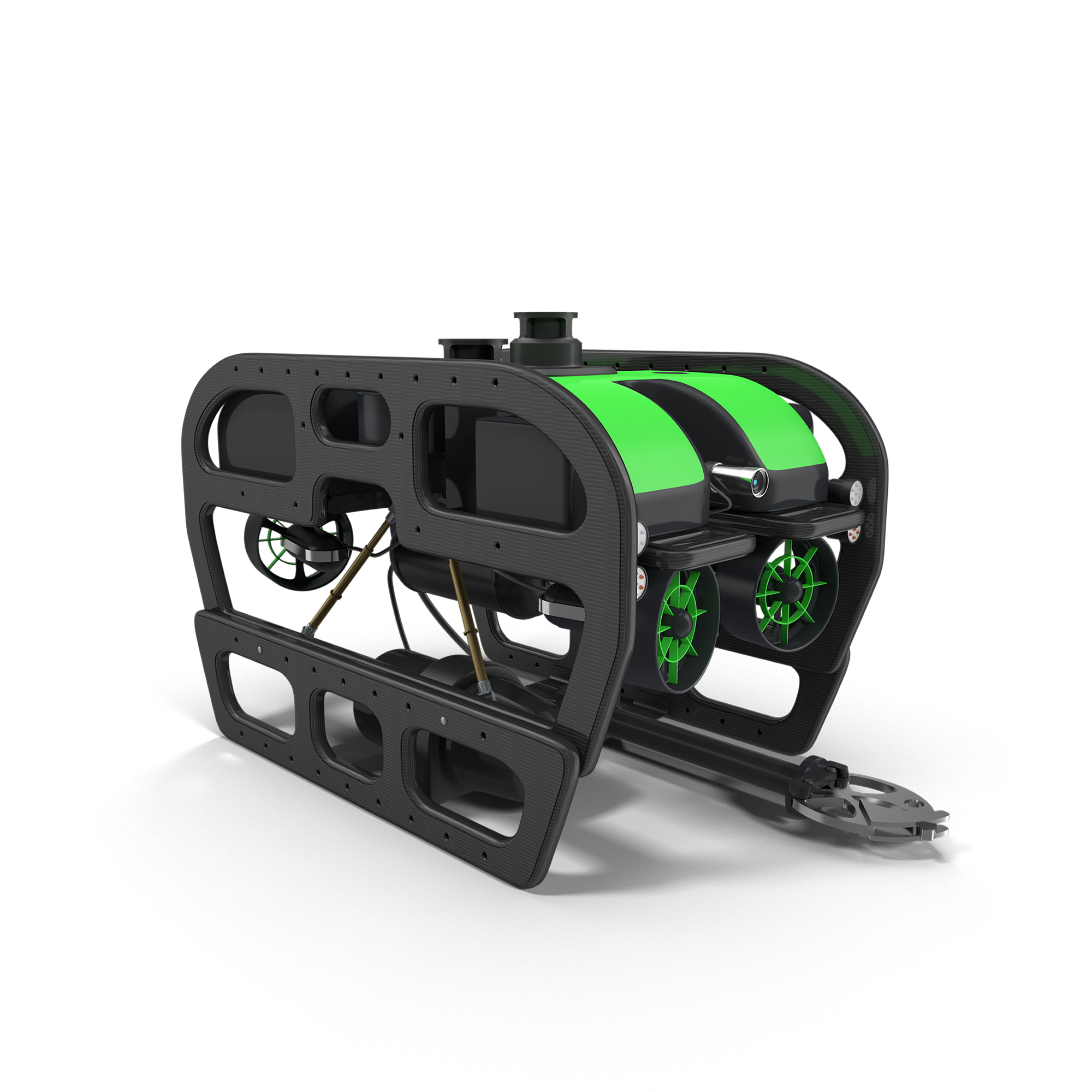
At TALENS PROTOTYPE SERVICES, we specialise in producing prototypes using additive manufacturing with various technologies. We can produce plastic parts by FDM, SLA, and SLS, as well as metallic components.
Through our engineering team, we can also build functional prototypes, including other manufacturing technologies like machining or sheet metal, and incorporate automation as required.
Supporting your ideas through:
Generate your 3D model by using your preferred CAD tools, or simply collect the 3D models you need printing.
If you have any ideas that you want to bring to reality but have no 3D file, our design team will help you to produce them.
We will also help with the design of your models to ensure the best possible quality at the right price.
Get in touch. We are here to help.
Upload your CAD files in any of the following formats: STL, STEP, IGES, PRT, SLDPRT, IPT, X_T, X_B, 3MF.
Let us know if your parts are in any other format. We will find a way to work with them.
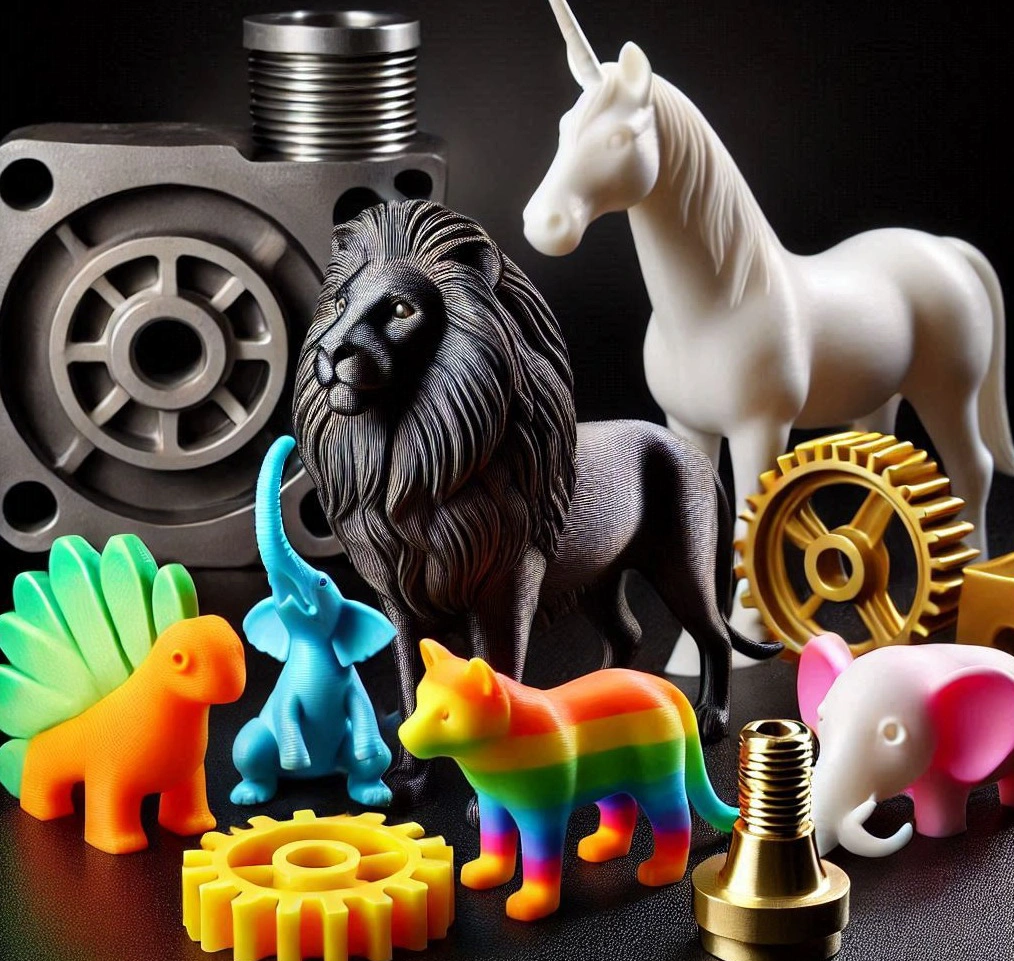
Select your preferred material, colour, 3D printing technology and post-processing quality.
Let us know what is the purpose of your prints: Functional prototypes, decoration, ergonomics, etc.
Get in touch if you need any help with this. We will be happy to assist.
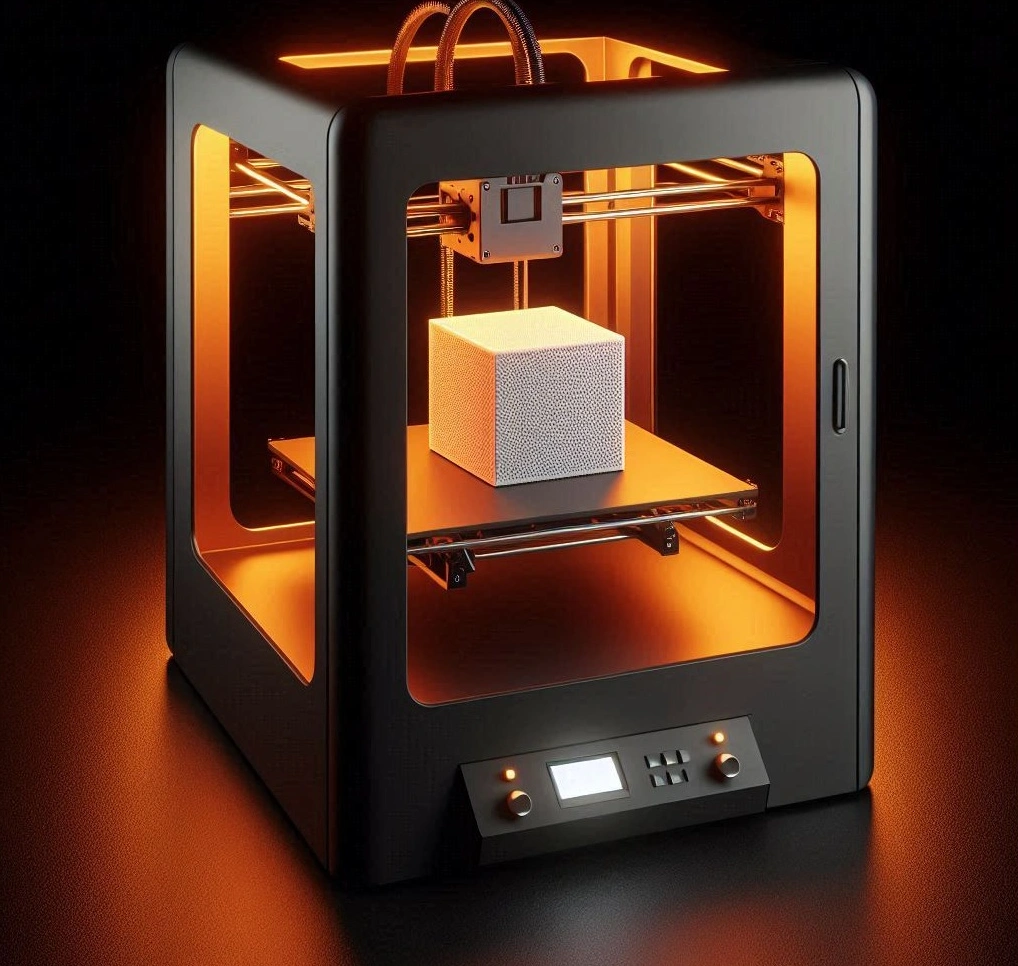
We will produce the parts, execute our internal quality checks and ship them to you swiftly.
You can choose from a range of shipping options.
Fusion Deposition Modelling (Also known as FFF) is the most widely used technology in additive manufacturing. This technology uses thermoplastic polymers that are heated to make them soft and then extruded though a small nozzle. Parts are generated by adding layer over layer of extruded material to build up three-dimensional objects.
The main advantages of this technology are a wide choice of materials and its moderate cost.
FDM is widely used for prototyping, education and DIY projects.
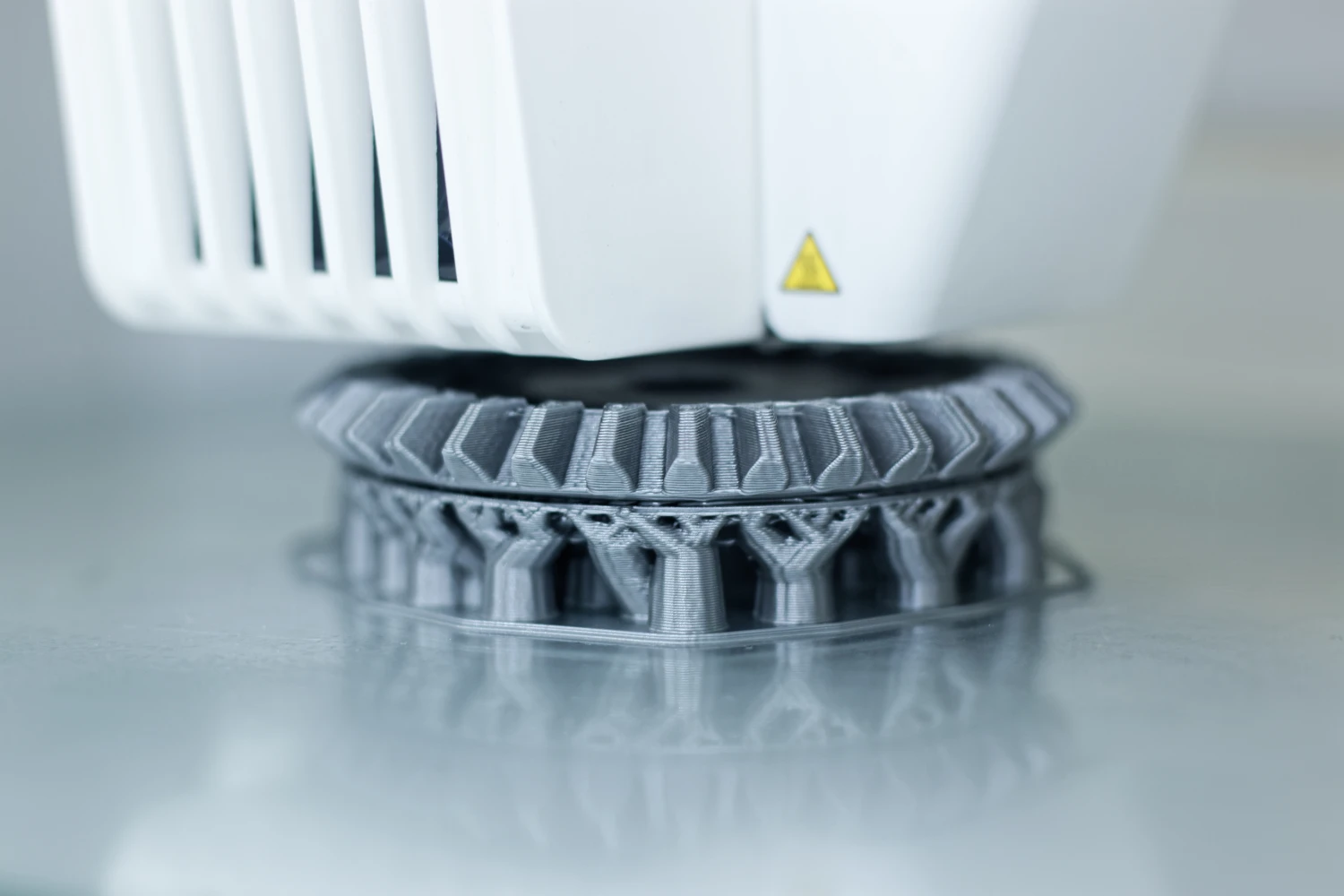
Our advanced FDM machines can extrude highly sophisticated engineering plastics for the most demanding applications. This includes materials like PolyEther Ether Ketone (PEEK), Polyetherimide, PEI( ULTEM), PolyPhenylSulfone (PPSU) and Carbon Fibre reinforced plastics.
From high temperature applications up to 260ºC to highly demanding mechanical loads or chemical resistance, our choice of materials will have you covered.
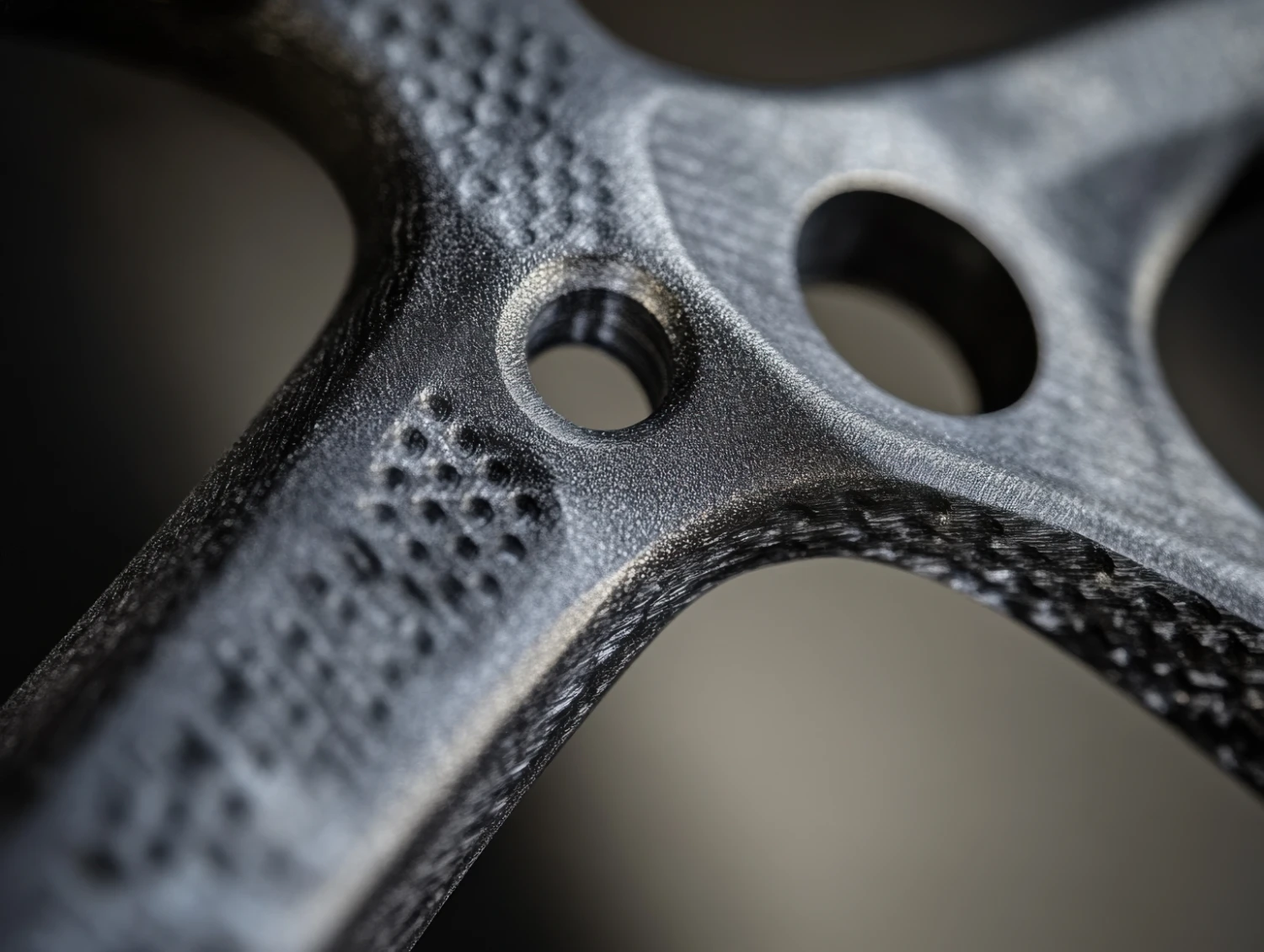
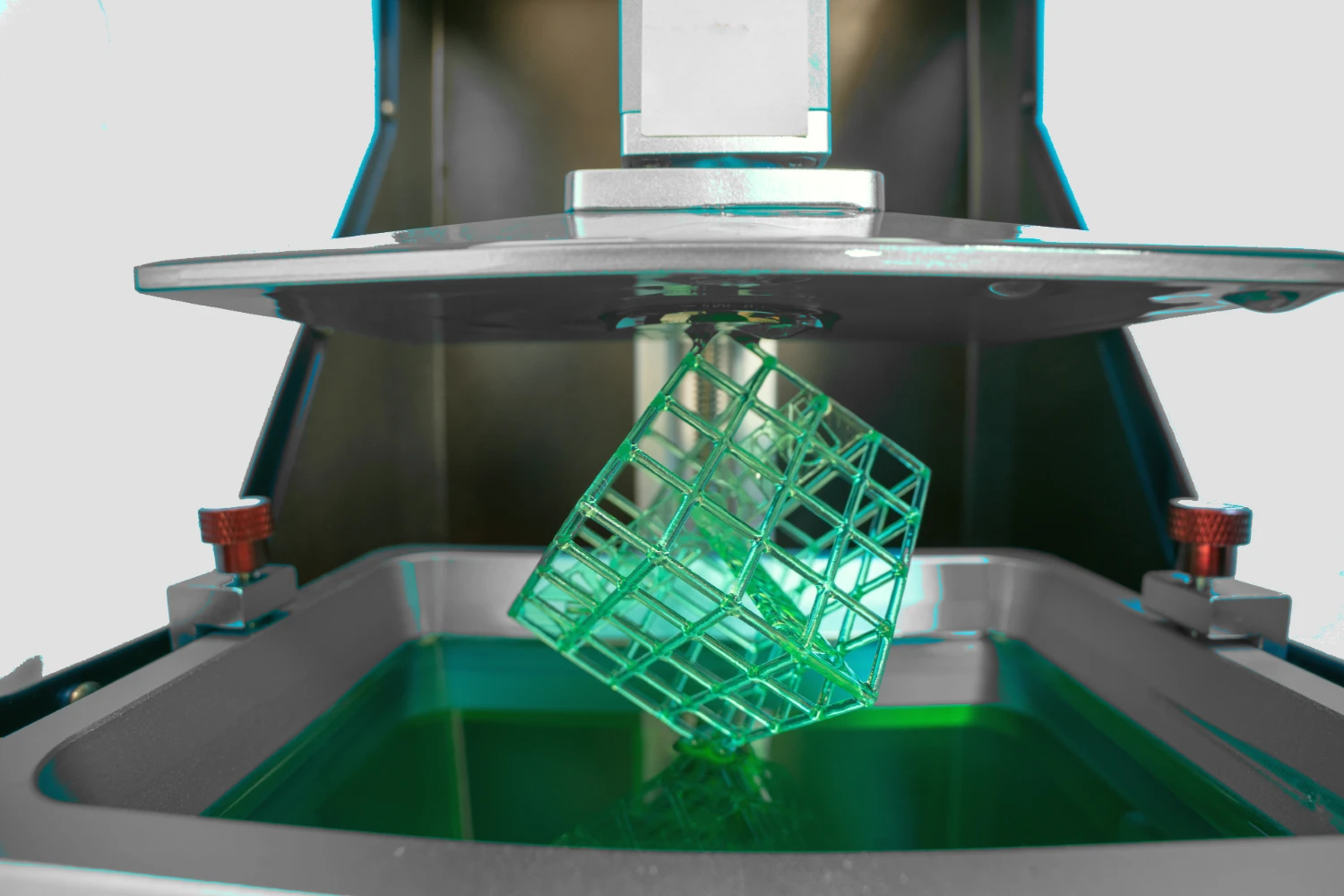
Stereolithography, commonly known as SLA uses a laser to polymerise thermoset plastics from their constituent resins.
Parts produced by SLA have the best possible precision and fine detail as well as a very smooth surface finishing.
PLA is ideal for parts with intricate details, hi resolution prototypes and components requiring homogeneous mechanical properties in all directions.
Selective Laser Sintering or SLS involves the use of a laser to sinter powdered material and fuse it together layer by layer.
Parts produced by SLS do not need supporting structures and are homogeneous by nature.
SLS is the ideal choice for strong functional prototypes and small batch production.
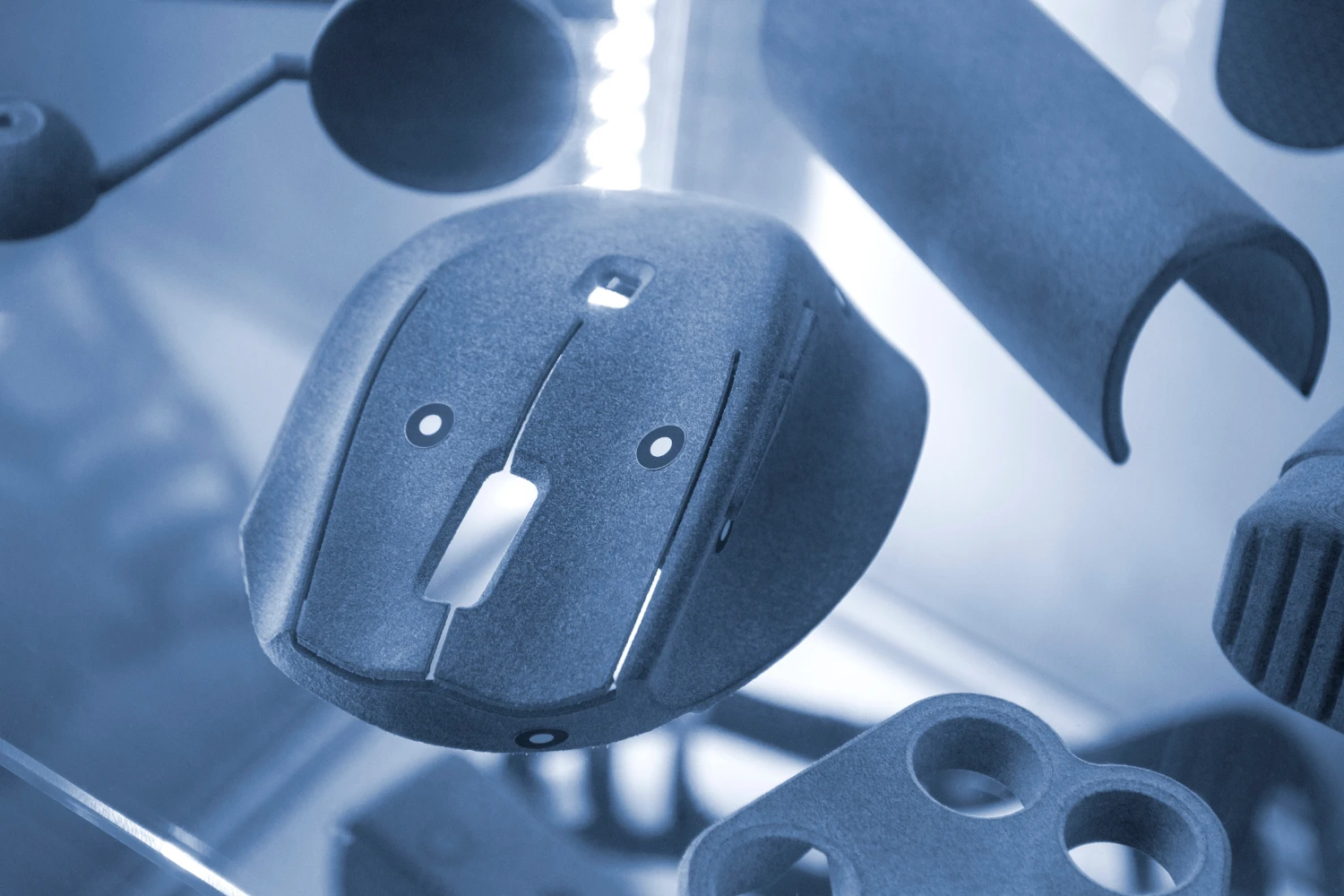
Metallic parts can be produced by means of SMLS (Selective Metal Laser Sintering) or Metal FDM.
SMLS is similar to SLS but for metals. It uses a laser to fuse metal powders layer by layer to generate fully dense metal parts.
Metal FDM uses metal filament combined with a binder that is extruded through a heated nozzle in a way equivalent to FDM for thermoplastics. After printing, the part is post-processed by chemical debinding to remove the binder from the metal and the sintering in a high temperature furnace to fuse the metal particles into a solid metal object.
Metal 3D printing produces fully functional metallic parts suitable for end use and compatible with further production steps like machining and welding.
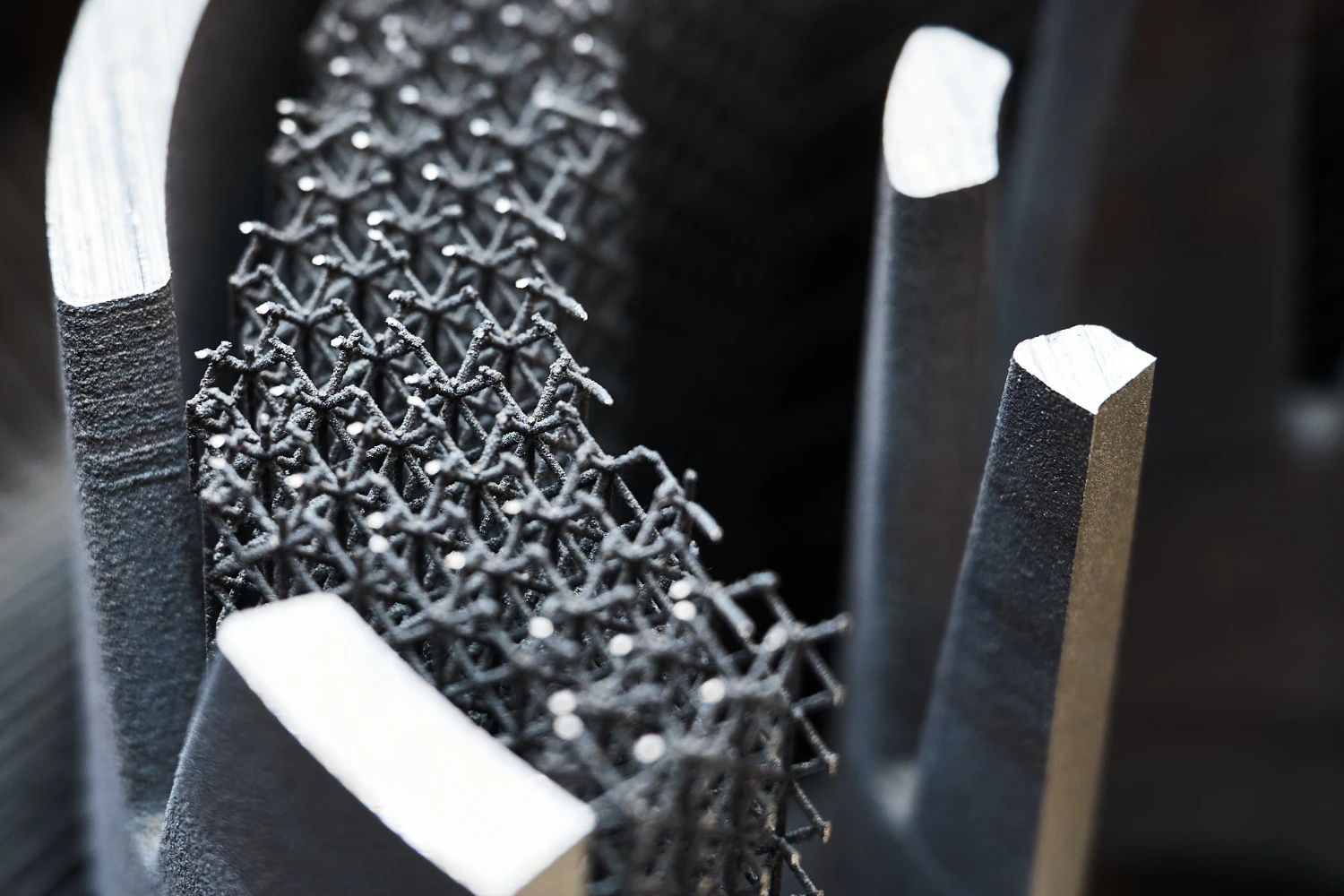
Specifically oriented to DIY jobs, students and hobbyist we offer a low cost FDM option in budget materials like PLA and PETG, as well as some flexible materials.
Despite its budget orientation, we aim at providing quality parts that are fit for purpose without breaking the bank.
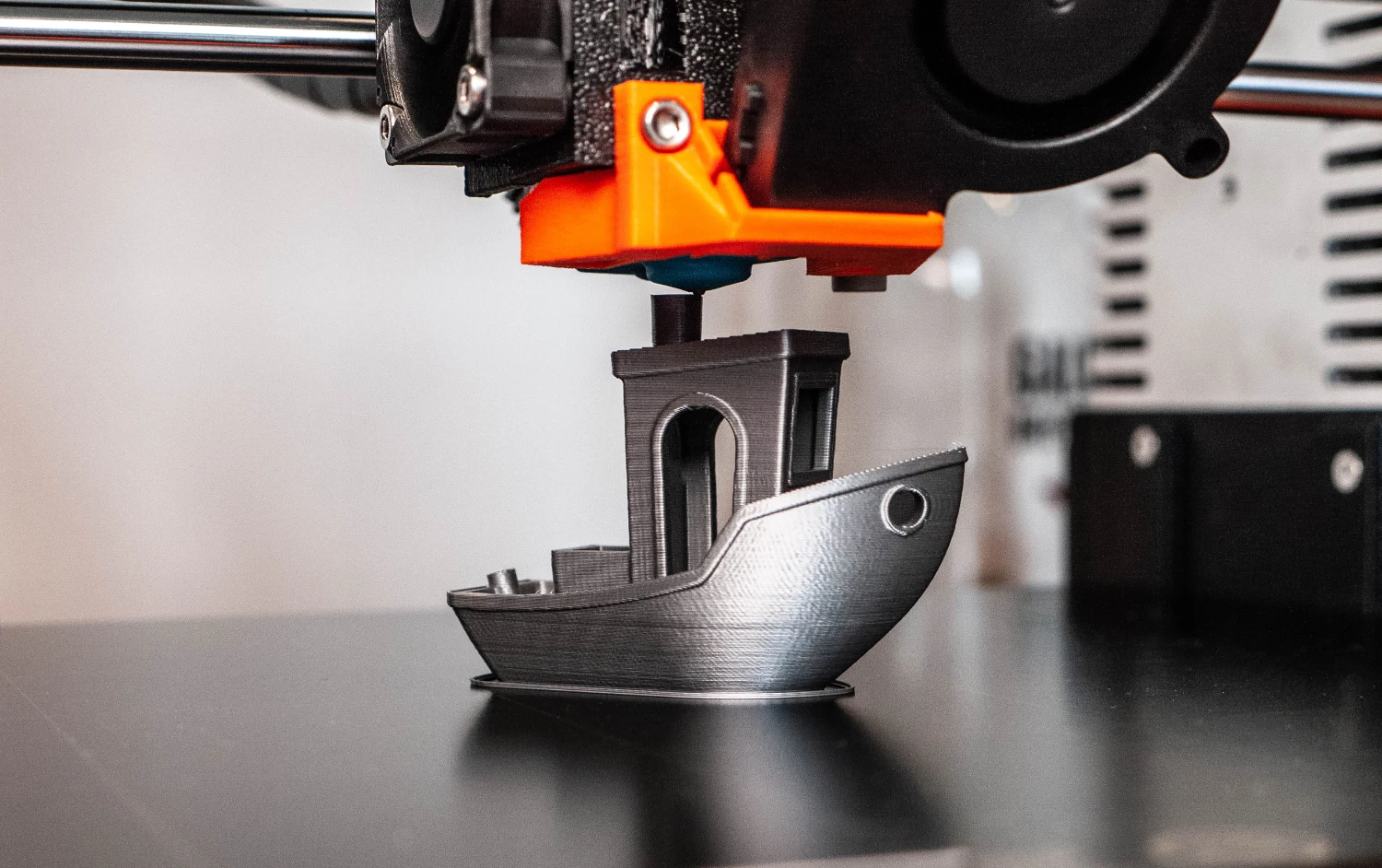
When the improved surface finish is required, we can apply different post-processing operations to achieve the desired quality on your parts.
Vapour smoothing can improve the external surface of 3D-printed parts and obtain a smooth and glossy finish, in addition to professional mechanical polishing operations.
Smooth outer surfaces with polished appearance reduce visibility of slicing lines, are best for presentation and improve strength and durability on functional prototypes.
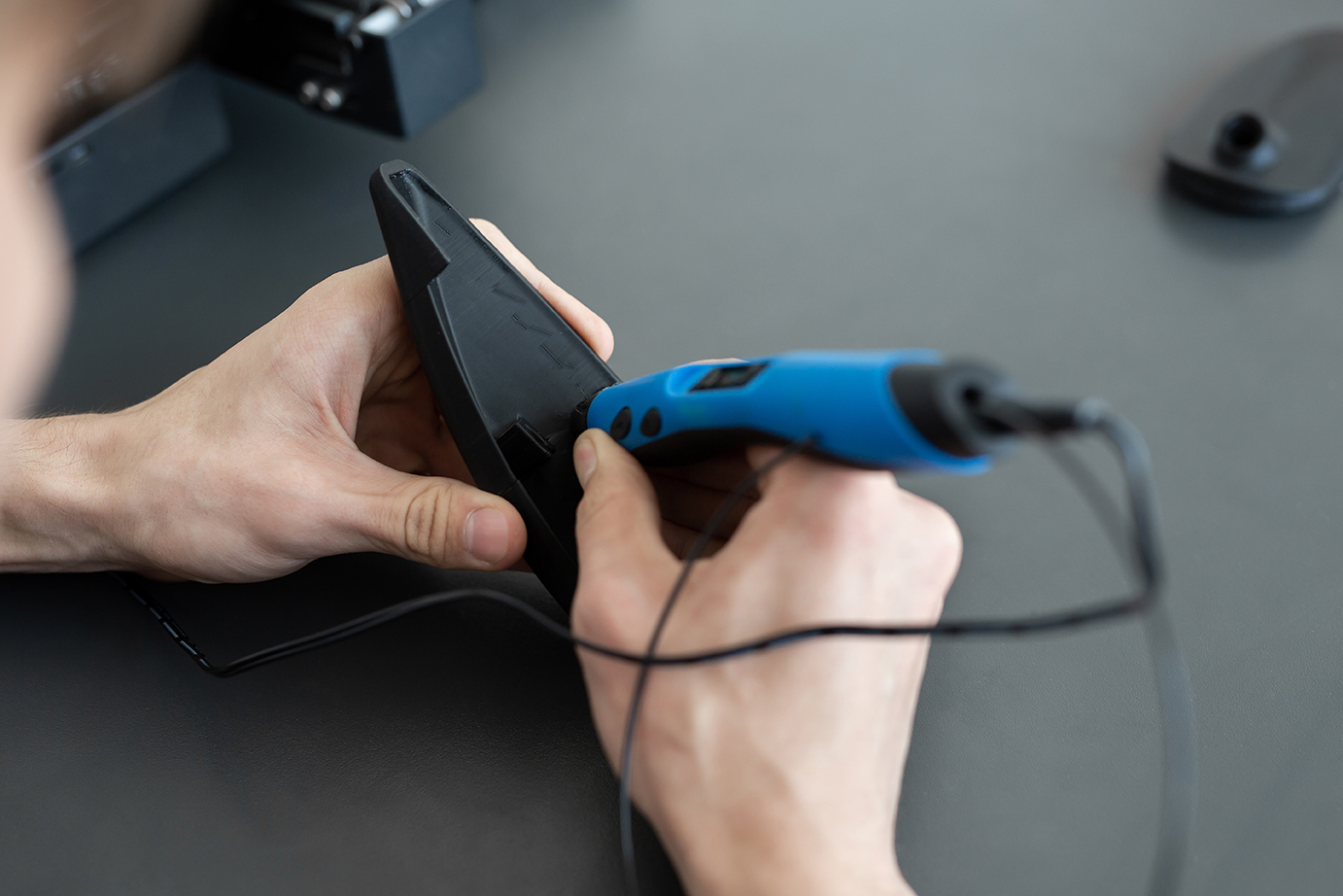
We can produce additive manufacturing parts in a wide variety of materials and colours. The choice of material will be directly influenced by the intended use of the parts to be produced, while the choice of colours will depend on the material of choice.
We strongly recommend our customers to share the intended use of their projects with us so we can recommend the most suitable additive manufacturing technology and material.
The following main groups of materials can be produced:
These are the most common materials for additive manufacturing due to their affordable cost and ease of production. Standard materials are widely used for general-purpose applications and prototypes. PLA, Tough PLA, PETG and ABS are the most common of them. These materials are typically produced by Fusion Deposition Modelling (FDM) and generally exist in multiple colours.
These materials provide higher performance and unique characteristics that make them suitable for more specialized, industrial, or mechanical applications. Harder to manipulate than standard plastics and generally more expensive. Materials like PA, PC, PP or CPE, each one with its unique set of characteristics, would provide an ideal choice for specific engineering applications.
While mostly produced via FDM, functional prototypes with better mechanical properties can be produced by Selective Laser Sintering (SLS). The choice of materials is more limited than for standard thermoplastics.
Hi-performance thermoplastics are the go to materials for highly demanding engineering projects where high temperature resistance, very high mechanical strength or chemical compatibility are needed. This category includes specialised hi-tech plastics like PolyEther Ether Ketone (PEEK), PEI( ULTEM), PolyPhenylSulfone (PPSU) and Carbon Fibre reinforced plastics. These materials are processed via FDM and have their own specific colours only.
Used for applications requiring elasticity and flexibility, our range of flexible materials includes several types of thermoplastic polyurethane (TPU), silicone and multiple specialised thermosets. TPU can be produced via FDA and SLS, while thermosets and silicone would be produced via SLA.
These materials are often used for producing parts that require special aesthetic properties, like decorative or metal-looking objects, models or sculptures. They are PLA based and include wood or metal powder in their formulation to achieve the visual effect of wood or metal to the parts produced. Options include wood, copper, bronze or brass between others.
Thermosets are plastics obtained from resins. These plastics are not softened by temperature and therefore they cannot be extruded or sintered. Laser polymerization is used instead.
There is a broad choice of materials and colours within this category, including budget general purpose resins as well as tough resins, clear formulations and resins formulated for specific uses like jewellery casting, food contact, dental applications and others.
Resins are processed by stereolithography (SLA).
We offer two different types of stainless steel, 17-4 PH and 316L. 17-4 PH is suitable for precipitation hardening and provides higher strength and hardness. 316L offers better ductility and extreme corrosion resistance. These materials, historically used in the aerospace, marine, pharmaceutical and chemical industries are now available for high accuracy additive manufacturing and therefore easy to use for quick production of fully functional prototypes.
Metallic components produced via additive manufacturing are virtually full density and suitable for end use. They are also compatible with further production steps like machining and welding.

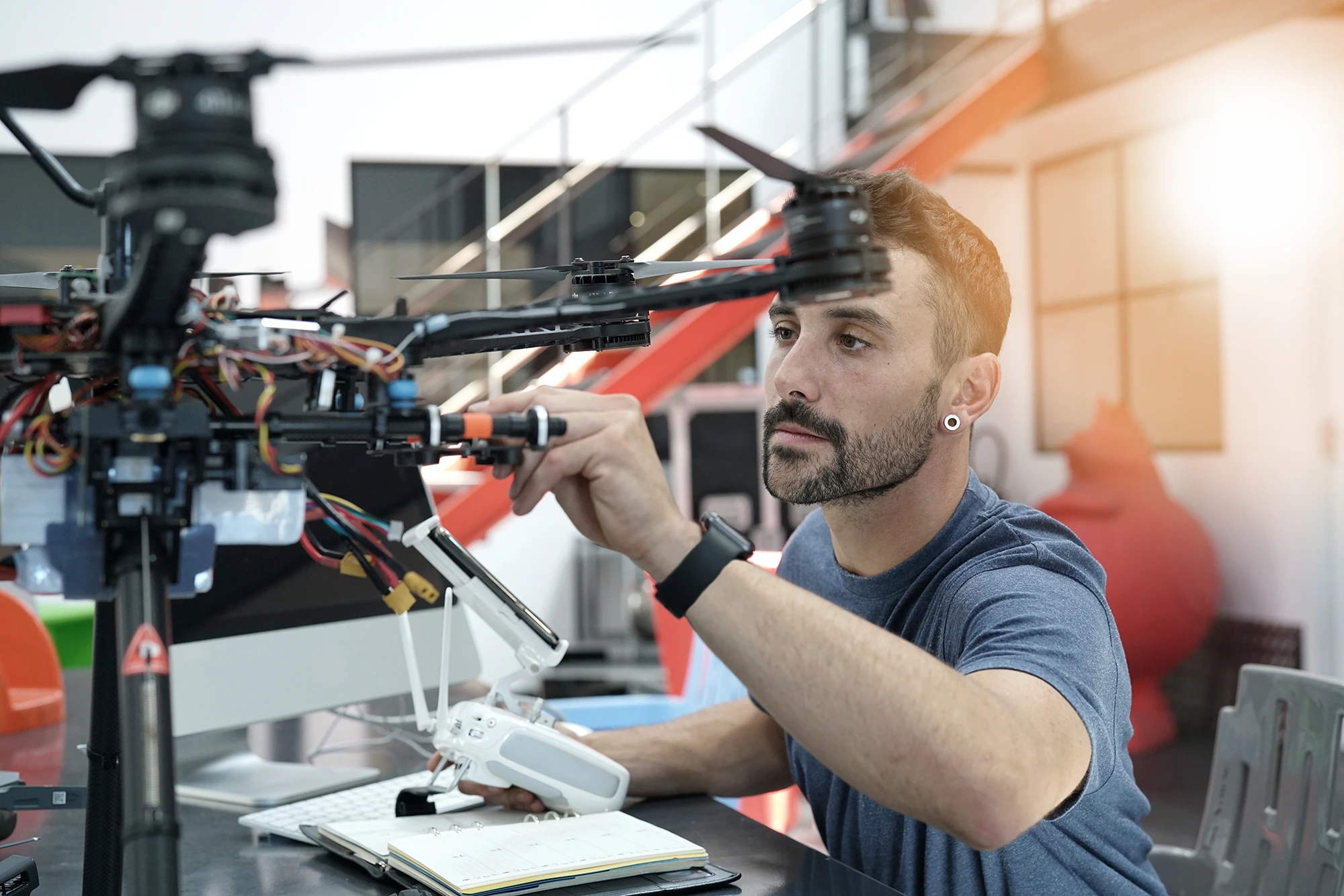
While additive manufacturing has become very accessible to DIY enthusiasts and hobbyists, its true potential can only be unlocked through proper design by specialised engineers. We leverage advanced design principles, material properties, and manufacturing constraints to optimise performance, durability, and functionality.
Proper design ensures that parts are structurally sound, cost-effective, and tailored for specific applications. Without this expertise, the physical production of parts can be challenging, with potential weak points, poor mechanical properties, or unnecessary complexity. Let us help you turn your ideas into high-quality, production-ready parts.
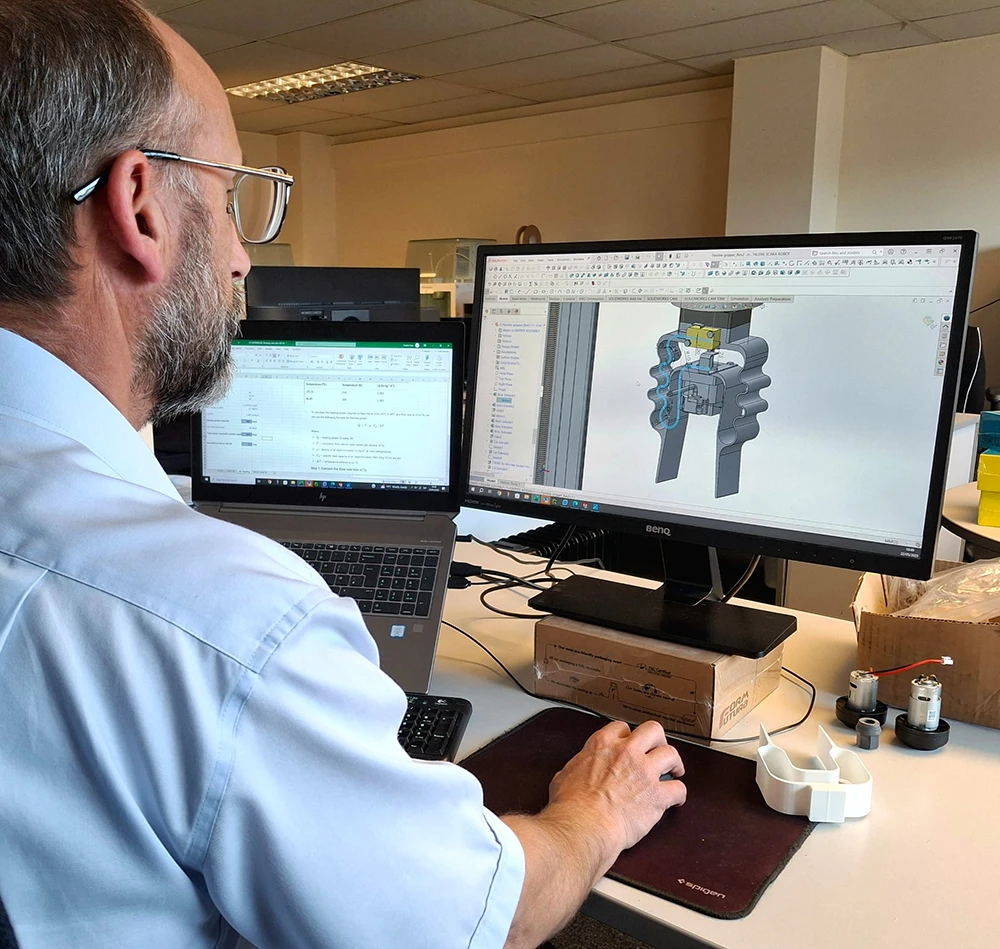
In addition to our additive manufacturing capabilities, we can help you bring your ideas to life. Our expert team of design engineers can help you develop your projects from concept design to a final product. Talk to us!
Unit 19, Capitol Trading park
Kirkby Bank Road
Liverpool
Merseyside
L33 7SY
 Get A Quote